Content Strategy
Why Honest Cost Content Earns More Home Service Calls
Every job is different, but homeowners still search for cost answers. Here's how to answer honestly without publishing a price list.
Ask most home service owners why their website does not mention pricing, and you will hear a reasonable answer: every job is different.
That is true. It is also beside the point.
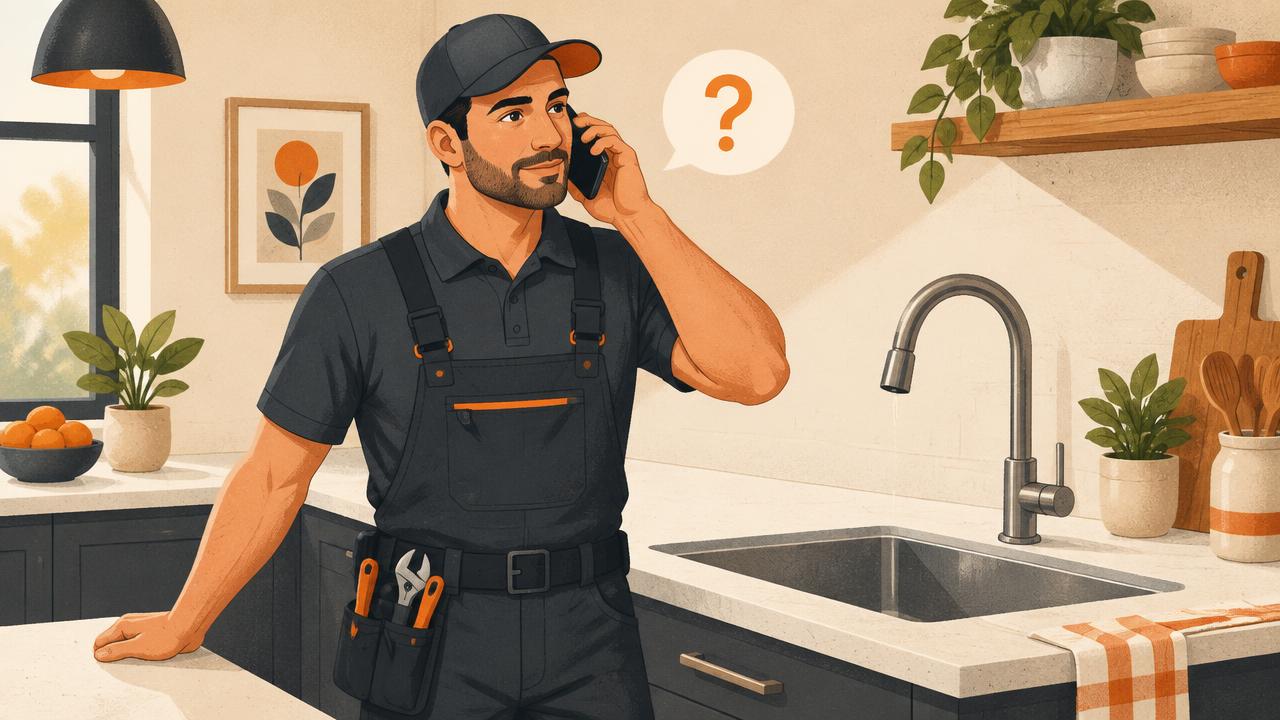
Homeowners do not search for pricing because they expect an exact number from a website. They search because cost is the biggest unknown standing between them and a phone call. A company that helps them understand that unknown, even without quoting a single price, earns trust that a silent competitor does not.
Why homeowners search for repair costs
Cost searches usually come from one of three situations:
- Planning. The homeowner knows something needs work and is deciding when and with whom.
- Comparing. They have one quote and want to know whether it is reasonable.
- Bracing. Something just broke, and they want a rough idea before they call anyone.
In all three cases, the homeowner is not looking for a price list. They are looking for a company that will treat them fairly. Content that explains cost honestly is a signal of that fairness.
What to publish instead of a price list
You can answer cost questions credibly without committing to numbers. The most useful cost content explains:
- What affects the price. Access, parts, the age of the home, whether the job is urgent, and whether related damage exists. A homeowner who understands these factors is easier to quote and less likely to be surprised.
- How your pricing works. Flat rate or hourly, trip or diagnostic fees, whether estimates are free, and how you handle changes mid-job.
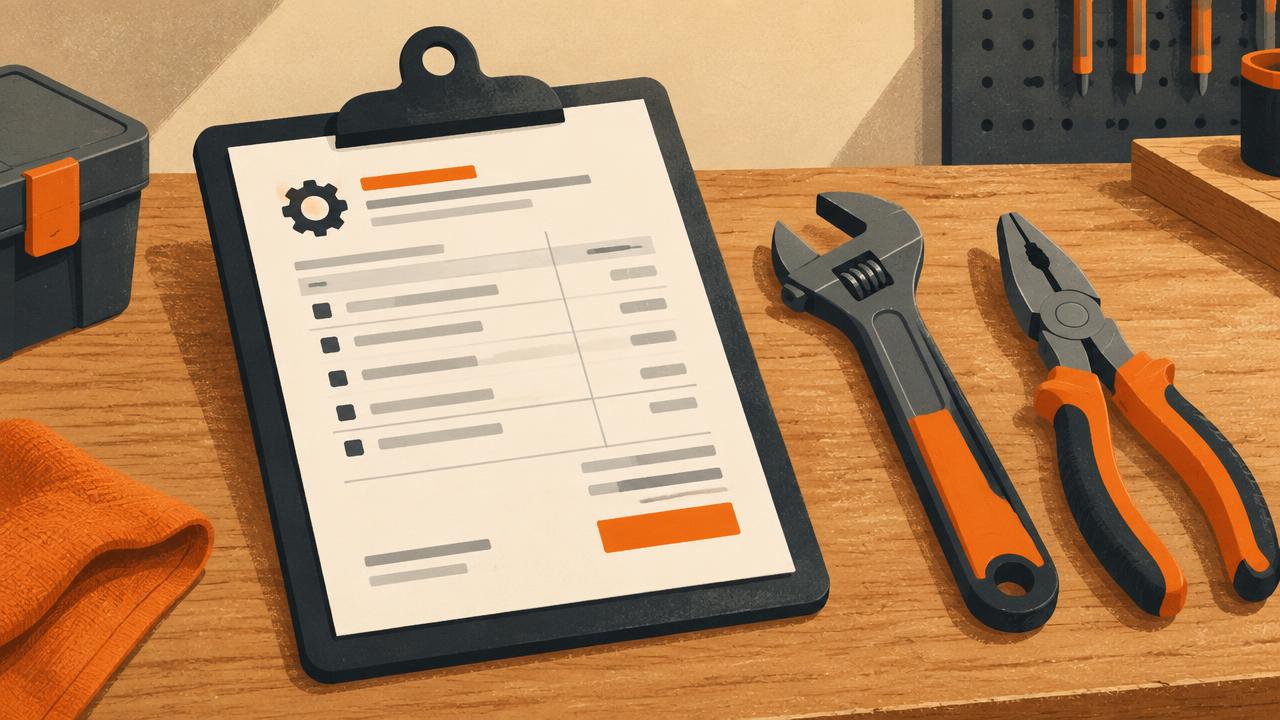
- What a good estimate includes. Scope, parts, labor, warranty terms, and what happens if the job turns out bigger than expected.
- Realistic ranges, when you are comfortable sharing them. Even a wide range with clear caveats is more helpful than silence, but only publish ranges you can stand behind in your market.
None of this locks you into a number. All of it answers the question the homeowner actually asked.
Honest cost content pre-qualifies your calls
There is a practical benefit beyond trust: cost content filters your inbound calls.
A homeowner who has read how your pricing works calls with realistic expectations. The conversation starts further along. You spend less time on callers who expected a fifty-dollar fix for a thousand-dollar problem, and more time with people ready to schedule.
It also gives your team something to send. When a caller asks "what does it usually cost?", pointing them to a clear page, followed by an offer to look at their specific situation, is a better answer than "it depends."
A simple structure that works
For each major service, a cost page can follow the same pattern:
- What the service typically involves
- The factors that move the price up or down
- How your company charges and what the estimate includes
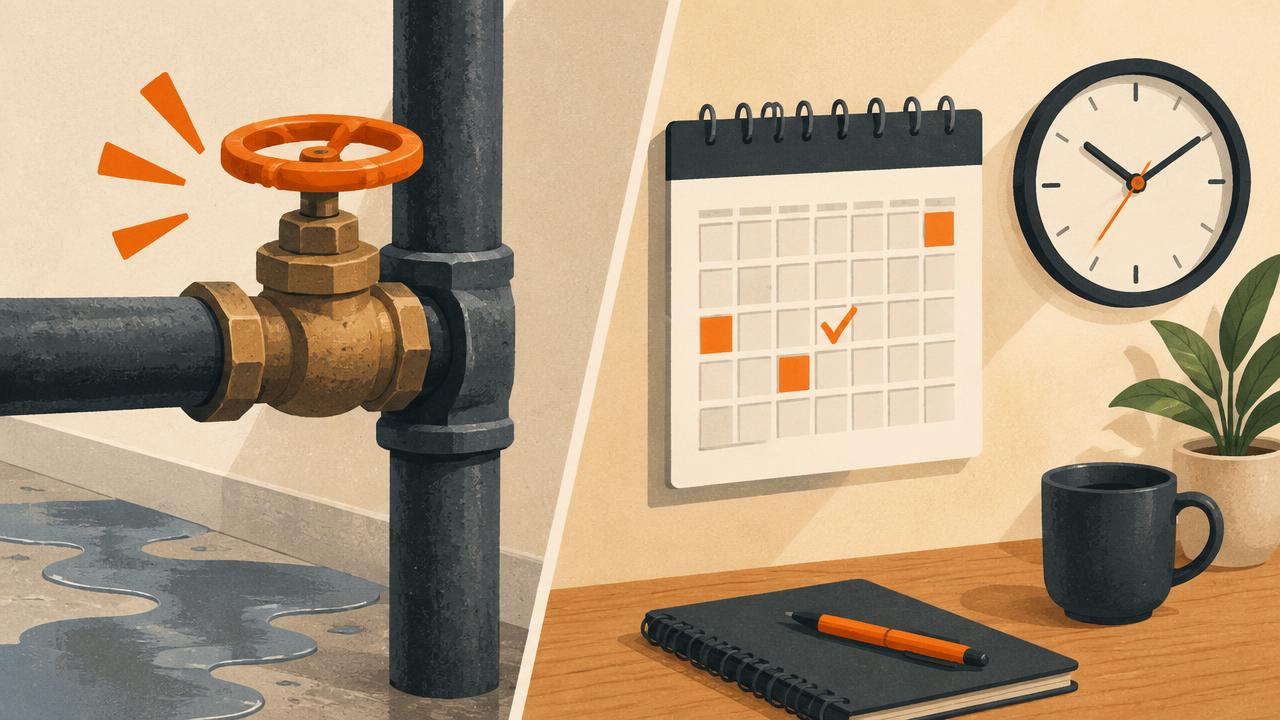
- When the repair is urgent versus when it can be planned
- A clear next step: call, request an estimate, or schedule a visit
Keep the tone plain. The goal is not to rank for every cost phrase on the internet. It is to be the most straightforward answer a homeowner in your area finds.
The line to hold
Cost content works because it is honest. The moment it becomes a bait number, a low figure nobody actually pays, it does the opposite of its job.
Publish what you can stand behind, explain what you cannot quote sight-unseen, and make it easy to get a real answer. That combination is rarer than it should be, and homeowners notice.