Content Strategy
What Homeowners Ask Before Hiring a Plumber
Before homeowners call, they search. Learn the four question types they ask (cost, urgency, DIY, and trust) and how answering them wins the call.
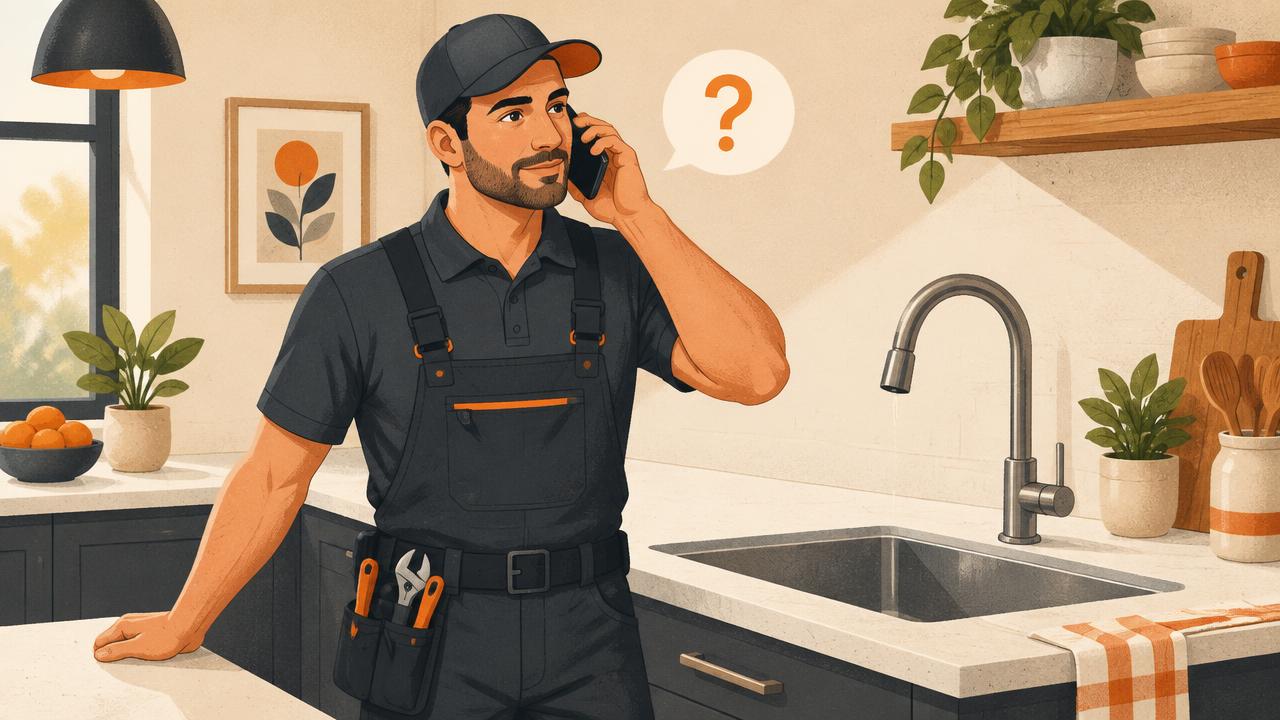
When a homeowner's sink backs up or a water heater stops working, the first thing most of them reach for is not the phone. It is a search bar.
Before they ever call a plumbing company, they ask Google questions. Understanding those questions matters for one simple reason: the company that answers them clearly is often the company that gets the call.
This is not about chasing every possible search term. It is about recognizing the handful of question types homeowners actually ask, and making sure your website answers them better than the competitor down the road.
The questions homeowners ask fall into four groups
Across plumbing and other home services, homeowner searches tend to cluster into four categories:
- Cost questions. "What will this cost me?"
- Urgency questions. "Is this an emergency, or can it wait?"
- DIY questions. "Can I fix this myself?"
- Trust questions. "How do I know this company is legitimate?"
Each group represents a different moment in the homeowner's decision. A person asking about cost is often close to hiring. A person asking whether something is an emergency is deciding how fast to act. A person asking about licensing and insurance is comparing you against someone else.
Your website does not need to answer every question on the internet. It needs to answer the questions your future customers ask right before they choose someone.
Cost questions are the biggest opportunity
Cost questions are the most common pre-hire searches homeowners make, and they are among the least competitive to answer well.
Homeowners search things like:
- What do plumbers charge per hour?
- How much does it cost to unclog a drain?
- How much does it cost to hire a plumber?
Most plumbing websites avoid pricing entirely. That is understandable, since every job is different. But a page that explains how your pricing works, what affects the cost of common repairs, and what a homeowner can expect from an estimate builds trust before the first phone call.
You do not need to publish exact prices. You need to show that you are willing to talk about cost honestly.
Urgency questions decide how fast they call
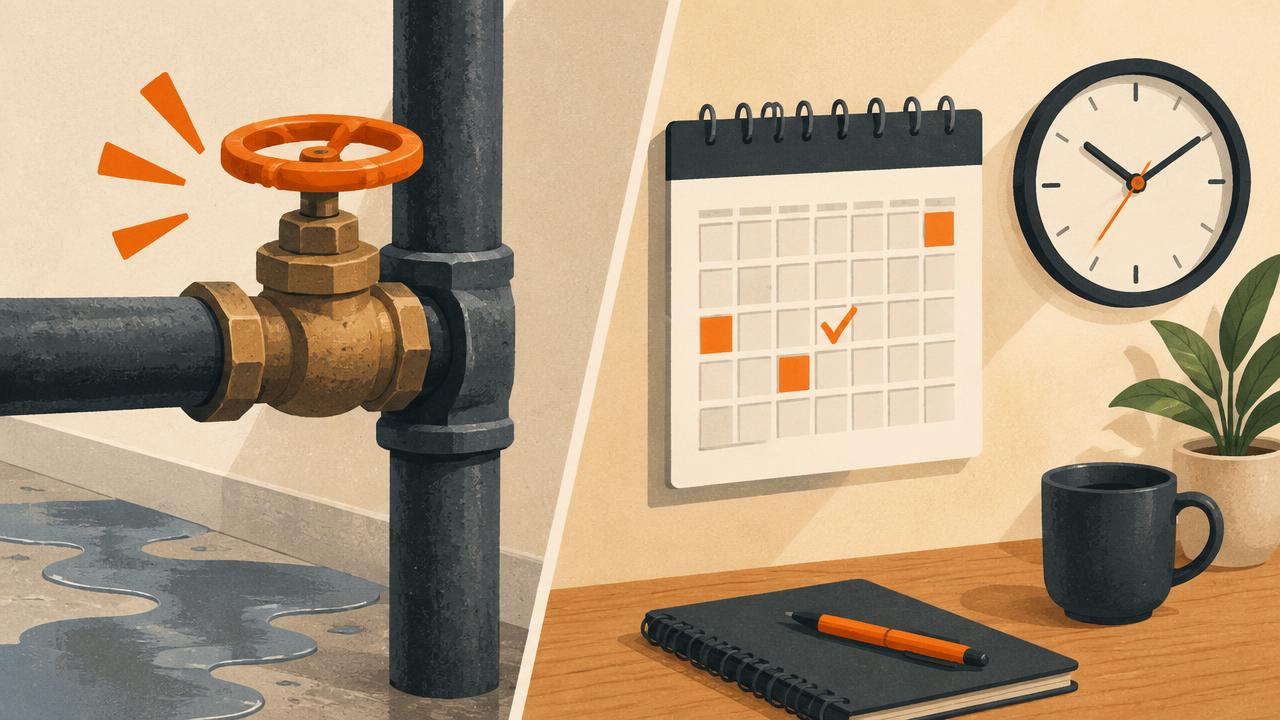
When water is where it should not be, homeowners ask whether the situation is an emergency. Searches like "is a leaking water heater an emergency" or "can a clogged drain wait" are really one question: how quickly do I need to act?
A short, honest answer page helps here. Explain which situations need immediate attention, such as active leaks, sewage backups, or no water at all, and which can safely wait for a scheduled visit. Homeowners remember the company that told them the truth, including the times the truth was "this can wait until morning."
DIY questions are a trust builder, not a threat
Many homeowners search for how to fix a running toilet or unclog a drain themselves. Some companies see this as competition. It is better understood as an opportunity.
A homeowner who tries a simple fix and fails calls someone. A homeowner who reads your honest guidance, including "this one is safe to try, this one is not," calls the company that helped them for free first. Explain where the line is: what a careful homeowner can attempt, and what requires a licensed professional.
Trust questions happen right before the call
The last group is easy to overlook. Before hiring, homeowners look for proof: licensing, insurance, reviews, and how long the company has served the area.
These questions are answered by your website's fundamentals: a visible license number where applicable, real reviews, clear service-area information, and a page that explains who you are. If those elements are hard to find, the homeowner's last question goes unanswered, and the call goes elsewhere.
Turn the questions into a content plan
You do not need dozens of articles. Start with one page or article per question group:
- A pricing or "what affects the cost" page for your most common services
- An "emergency or not" guide for your trade
- A short DIY-boundary article
- A strong about page with licensing, insurance, and service-area details
Each page should end with an easy next step, like a call, a short form, or a scheduling option, because a homeowner who found a clear answer is a homeowner ready to act.
The companies that win these searches are not the ones with the most content. They are the ones that answered the question the homeowner actually asked.