Lead Conversion
Emergency or Scheduled Visit? Answering Homeowners' Urgency Questions
Some callers need help tonight; others need reassurance and a morning appointment. Here's how to answer both honestly and win both kinds of work.
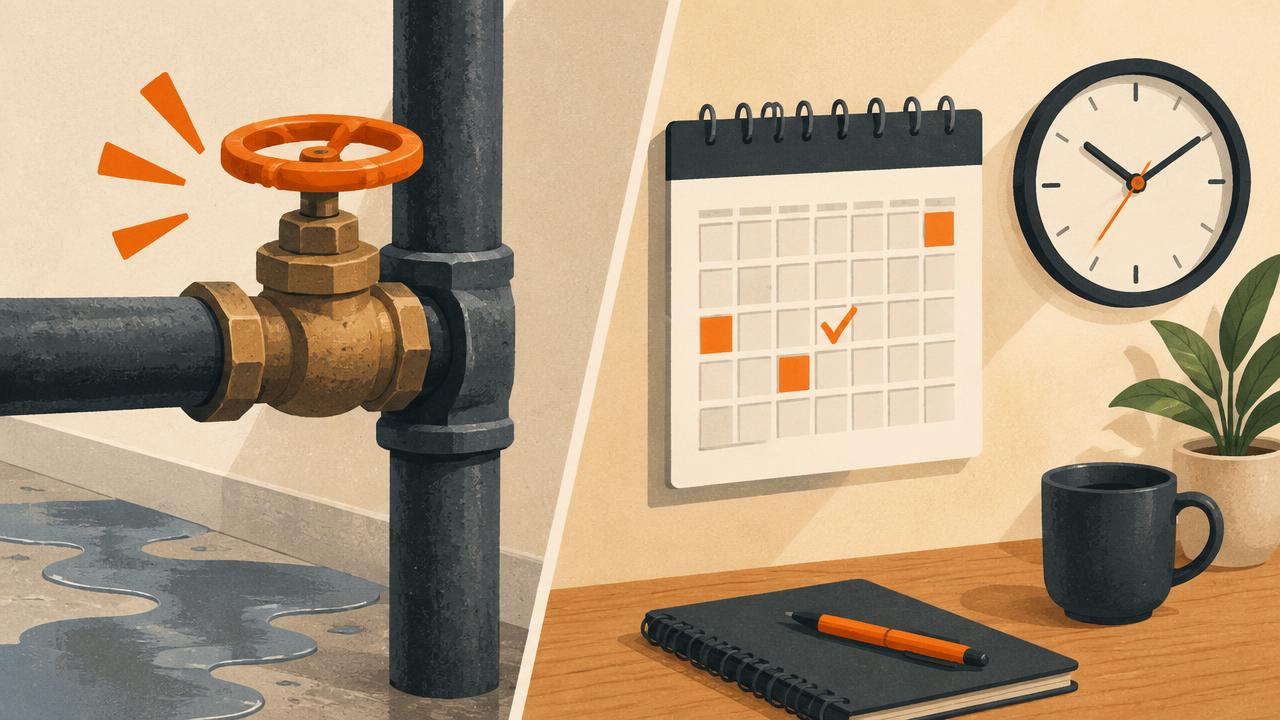
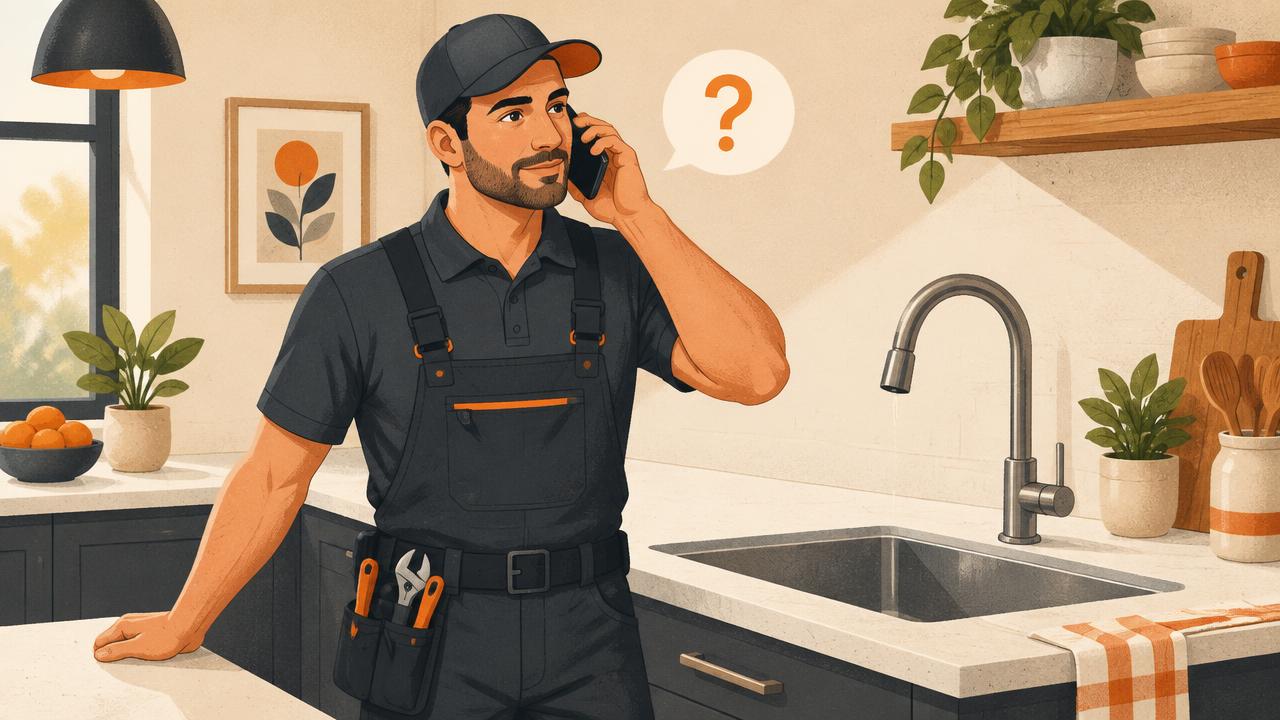
A homeowner standing in front of a leaking water heater at 9 p.m. has one question: do I need someone tonight, or can this wait until morning?
How your company answers that question, on your website and on the phone, shapes whether you get the call, and what kind of customer relationship follows.
Why this question matters so much
Urgency searches are some of the highest-intent searches a home service company can appear for. The person searching "is a burst pipe an emergency" is not browsing. They are deciding what to do in the next few minutes.
But urgency questions come in two very different situations:
- True emergencies. Active water damage, sewage backup, gas smells, no heat in freezing weather. These callers need immediate help and will hire whoever answers first.
- Anxious non-emergencies. A dripping faucet, a slow drain, a water heater making noise. These callers need reassurance and a scheduled visit, not a midnight dispatch.
Treating both the same way costs you. Answer every call like an emergency and your team burns out on after-hours dispatches that could have been morning appointments. Answer none of them and the true emergencies call your competitor.
The company that answers honestly wins both ways
It is tempting to treat every urgent-sounding inquiry as an emergency job. The honest approach works better:
- When it is a real emergency, say so clearly and act fast. The homeowner remembers who helped when it mattered.
- When it can safely wait, say that too. A homeowner told "you can shut off the valve under the sink and we will see you tomorrow morning" just received free, honest help. That is the company they call for the next real job, and the one they mention to neighbors.
Telling someone they do not need an after-hours callout feels like lost revenue. In practice it is one of the strongest trust-building moves available to a home service company.
What an "emergency or not" page should cover
A short page on your website can do this work around the clock. For your trade, list:
- Situations that need immediate attention, and the first step the homeowner should take (shut off the main water valve, leave the house if they smell gas, turn off the breaker).
- Situations that can wait for a scheduled visit, with a plain explanation of why.
- What to do right now: your phone number, your after-hours policy, and what happens when they call.
Keep it specific to your trade. A plumbing company's list looks different from an HVAC company's or an electrician's. Generic advice helps no one.
Your phone process is part of the answer
The page only works if the phone experience matches it. When an urgent call comes in, whoever answers, whether your team or an answering service, should be able to do three things quickly:
- Ask the two or three questions that separate an emergency from a scheduled visit
- Give the caller an immediate, safe first step
- Book the right response: dispatch now, or a confirmed appointment
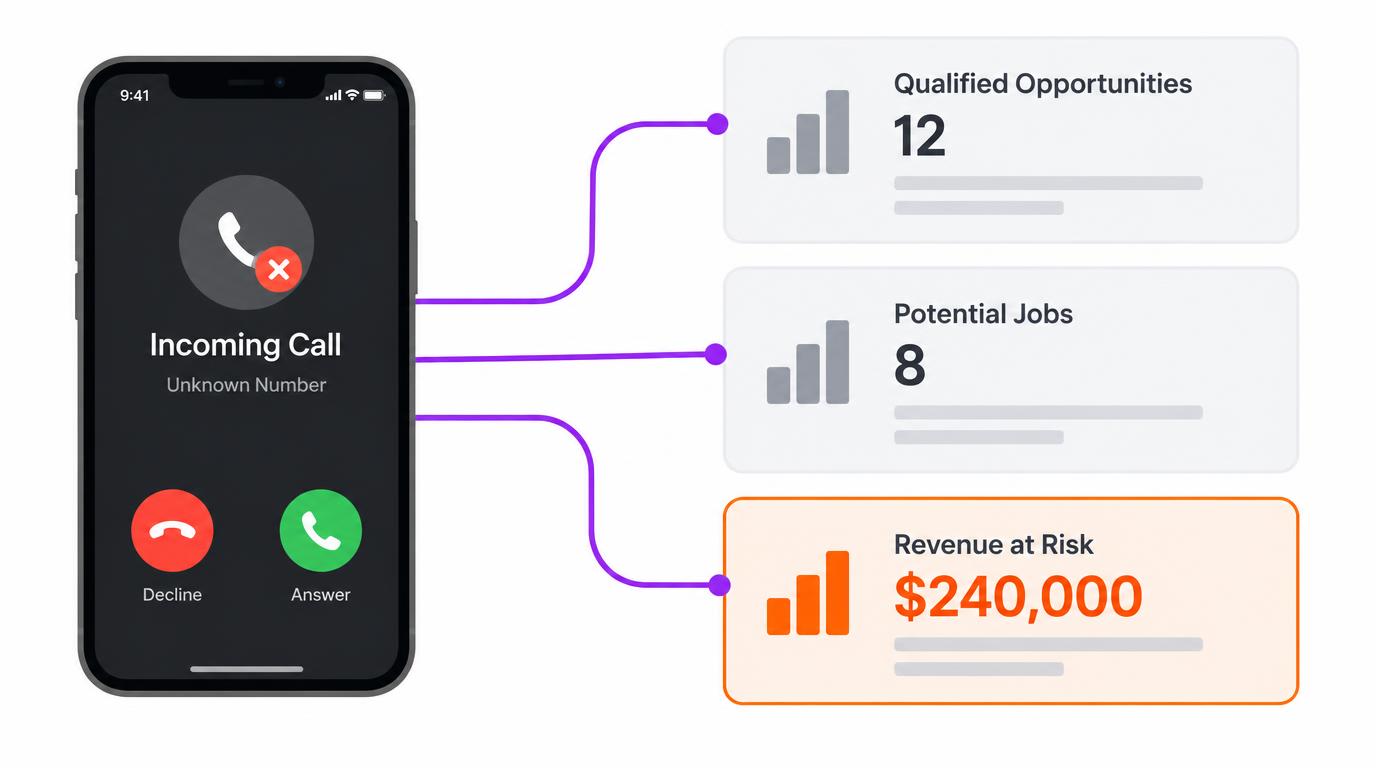
If calls go to voicemail after hours, the homeowner with a real emergency simply calls the next company on the list. The one with a non-emergency may leave a message, or may not.
The payoff
Companies that handle urgency well get two kinds of wins: the emergency jobs they are set up to take, and a reputation for honesty that brings in the planned work later.
Both start with the same thing: a clear, honest answer to the question the homeowner is asking at their most stressed moment.